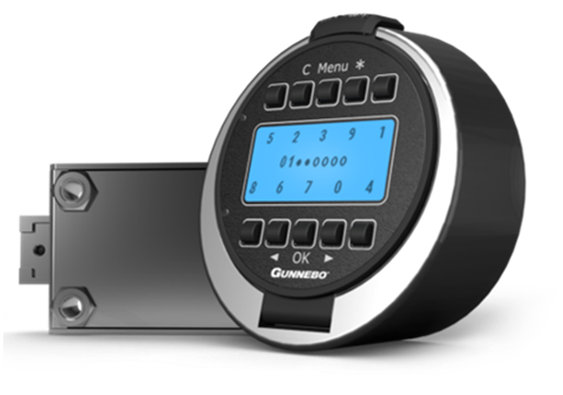
At Gunnebo, we see the change in demands for safe storage every day. Securing cash and valuables in a solid safe was once enough. Today, customers expect control, visibility, and connectivity on top of it. Those demands come from hospital pharmacies managing prescription drug access, banks modernising branch infrastructure, and homeowners who want a direct alert on their phone, not a call from the police after the fact. These are not edge cases, but a reflection of the clear shifts in what customers need from safe storage today.
Risk management has become more complex
In regulated environments, controlling access to high-value or sensitive assets is an increasing concern. Pharmacies and hospitals require biometric authentication to control who accesses what, and when. Banks are investing in next-generation lockers and vaults to modernise. Homeowners want safes that send an alert when something changes. In each case, the safe is no longer just a barrier, but part of a wider risk management system, where real-time monitoring and access control are as important as the physical lock itself.
Connectivity is expected, not a premium feature
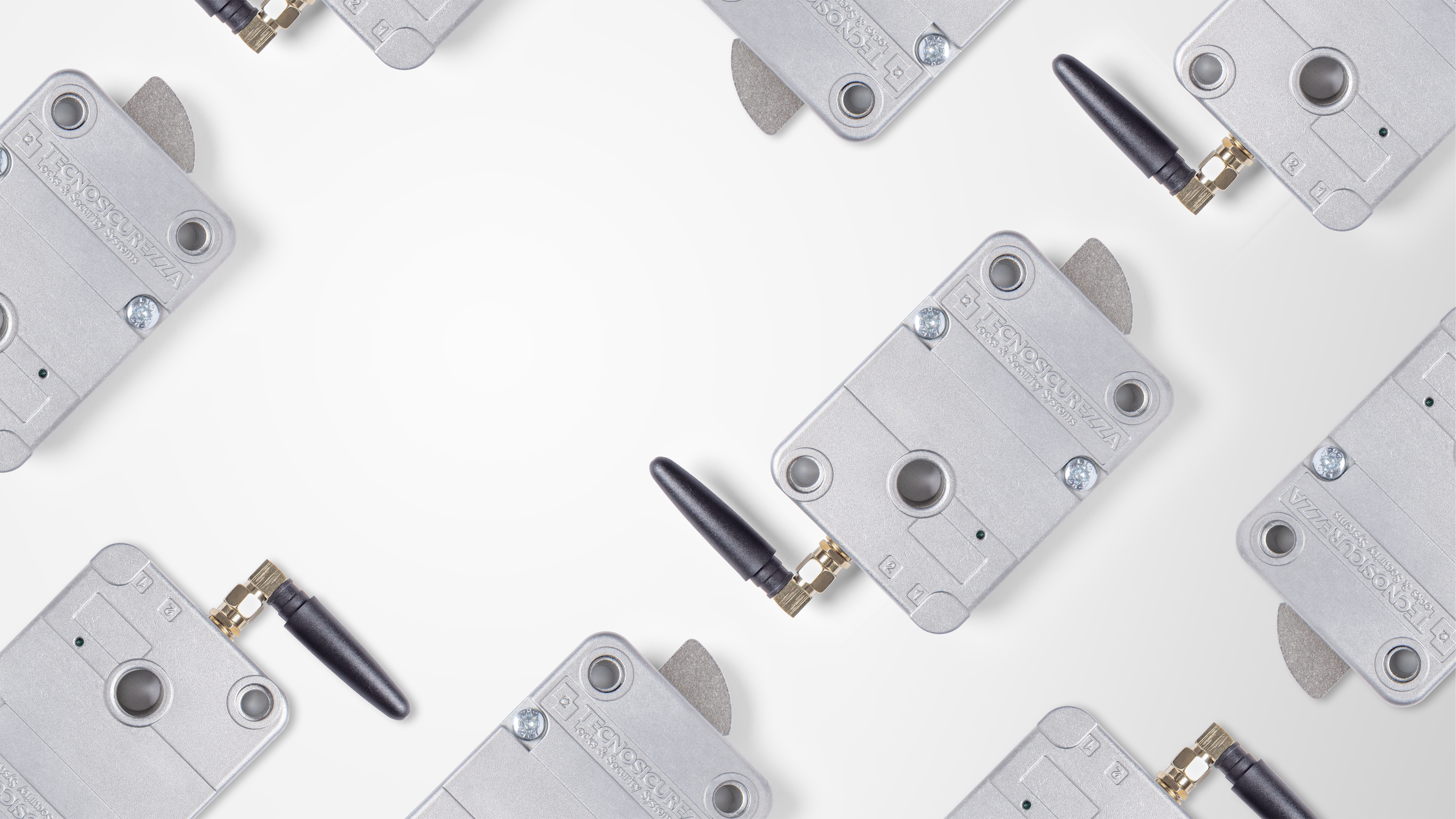
Smart homes and connected devices have reset the baseline. Customers expect their security products to fit into connected ecosystems, not sit outside them. Wi-Fi and Bluetooth-enabled safes can now be unlocked via smartphone, monitored around the clock, and set to track environmental conditions like humidity and temperature. For businesses with multiple sites, connected safes mean any unit across every location can be managed centrally. That changes the operational picture entirely. Connected high-security solutions are no longer a differentiator; they are the new standard.
Automation drives efficiency
For commercial customers, the value of a connected safe is often measured in time and cost. Connected safes automate cash handling, validating and securing cash in-store, and reporting deposits for credit. That reduces labour costs and cuts the frequency of cash-in-transit collections. This shift is reshaping how service providers operate. Subscriptions that combine IoT-enabled safes, software and armoured transport are shifting the category from standalone hardware to scalable, connected digital products.
The same thread runs through every segment
Customers want a better user experience without giving up physical security. Connected safes meet that need by layering convenience onto a physical security foundation that has not been weakened. Features like end-to-end encryption and remote access management address early concerns about digital vulnerability, and as IoT component costs fall, adoption is accelerating across sectors.
That is where we focus our development at Gunnebo Safe Storage. Not on making safes look smarter, but on making them genuinely perform better for the people and organisations that depend on them.
For a deeper look at how connectivity is reshaping the industry, read our white paper: The Future of Safe Storage Is Connected
 Kacper Durka
 Kacper Durka : Jun 13, 2025, 10:49:03 AM