Connectivity has transformed how we approach security where the entire market has shifted from manual, isolated systems to an intelligent, integrated infrastructure.
But when it comes to connectivity and ‘being connected’, there is still apprehension, uncertainty and misconceptions about what it means, particularly when it comes to connected locks.
What are connected locks?
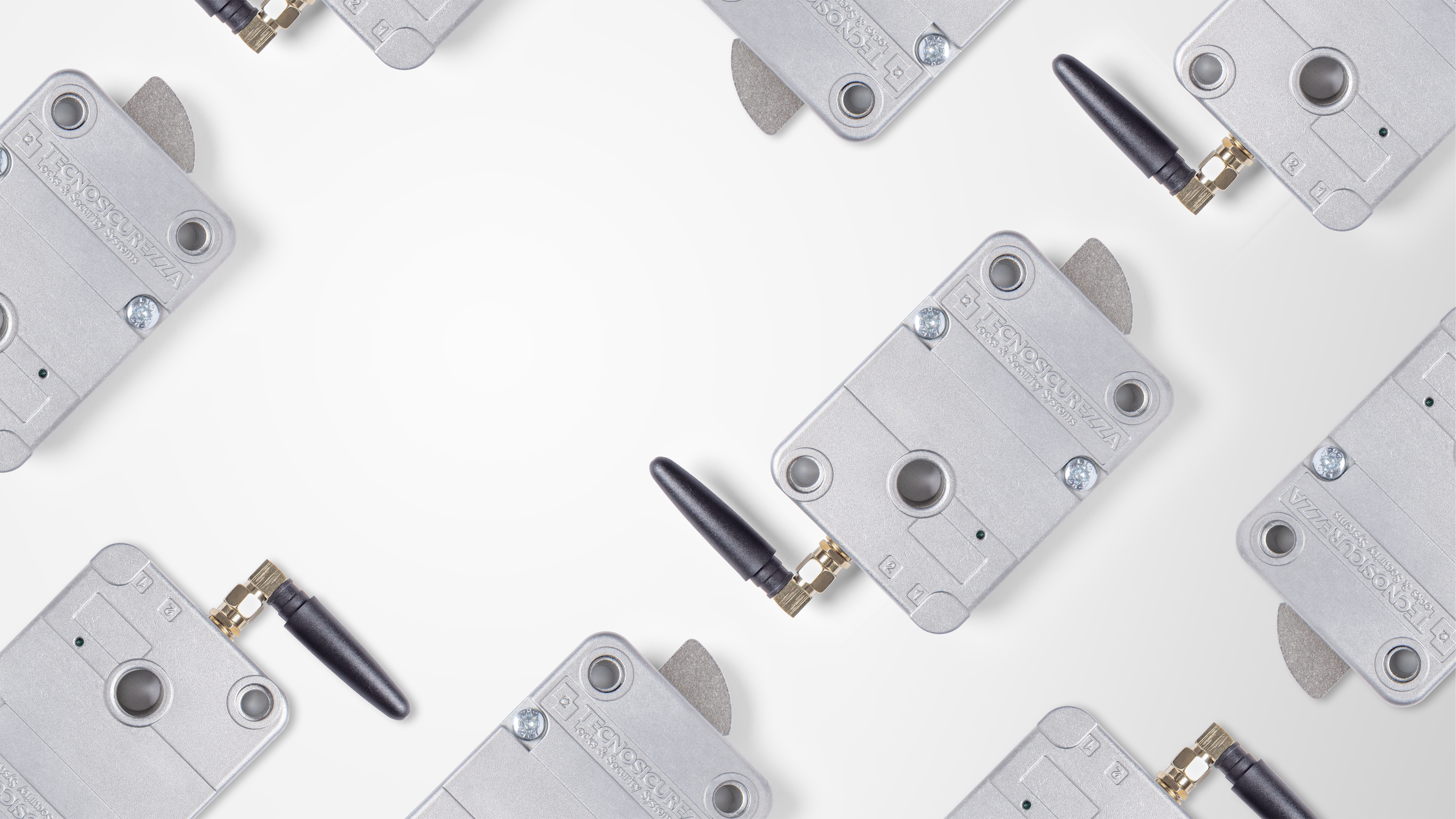
A connected lock is a locking system connected to a centralised server via wireless technology that transmits data. Though the phrase ‘connected’ was typically attributed to devices using cables, in today’s reality of the ‘Internet of Things’ (IoT), we’re talking about wireless communication, remote control and monitoring.
To truly understand the value of connectivity, it’s important to consider the differences between different types of locking systems. For example, standalone electronic locks operate independently, if you wanted to add or remove users, these changes must be handled manually and directly.
With connected, centralised locks, any access changes can be managed remotely from a single interface. Integrated locks or broader access control systems are similar to the latter, but as they’re designed for large buildings and their needs, these come with differing hardware requirements and certification standards.
What are the key benefits of connected locks?
One of the most significant benefits of having connected locks is the move from manual to centralised management. Connected locks eradicate the time-consuming need of assessing each lock individually, it will enable instant access updates, provide a centralised audit trail and allow for temporary access positions. An entirely connected solution improves security, efficiency and productivity.
Common misconceptions
A 2020 article by Forbes reported that 73% of security professionals were reluctant to adopt smart, connected locks. Now although this sentiment is changing as the world of IoT grows and transforms - particularly since the AI revolution in recent years - in 2026, The Guardian explored whether it is “smarter to have a dumb home?”. The fears of connectivity and apprehension across homeowners and businesses may simmer beneath the surface, and it may take more years to disappear entirely, but we want to talk about some of the misconceptions associated with a smarter approach to security.
Firstly, the idea that wireless automatically means it will be less secure is a myth. Granted, earlier wireless communication devices did have vulnerabilities, but there have been significant advances in encryption standards, cybersecurity and secure communication protocols.
Secondly, there is a fear that mobile phones are the key and ultimately decide when a door is unlocked. In certified, well-designed systems, this should not be the case as all decision making related to the device remains secure within the system. The phone simply acts as a communication interface, and should it be compromised, access to the locking device cannot be given without authentication.
What should you consider when adopting connected locks?
For any organisation, there are several things to consider when evaluating how connected locks can integrate into the broader security infrastructure. The first thing you should do is assess server functions and external service providers as connected locks rely heavily on this network. This process includes exploring how information is safeguarded, stored and handled based on national regulations.
It is also important to understand how end-to-end encryption works across connected devices and be prepared to investigate if your chosen solution has received proper verification from independent, third-party testers. Finally, it’s vital to ensure password management protocols and operational policies are watertight to enable the smooth and secure management of the system.
Who can benefit from connected locks?
Facility managers and small to medium businesses can benefit greatly from connected locks. The centralised access control capabilities are particularly useful in environments where there are different locations or in businesses managing fleets. Facility and security managers can reduce administrative tasks through the centralised setup by activating changes, exploring real-time audit logs, and proactively managing logistics without the need for multiple, physical visits.
The additional benefit is how easy connected locking solutions are to install and use. And when it comes to ongoing management, as they leverage cloud-based infrastructure, organisations can avoid maintaining on-site servers.
What does the future hold?
Connected locks are here to stay, and we expect to see further integration with other security devices such as cameras or sensors. The future is about comprehensive, sophisticated ecosystems, all of which will protect our critical infrastructure, public sector and our homes. In fact, we expect to see AI playing more of an integral role in security systems and connected locking devices, enabling quicker, proactive responses to security breaches or incidents.
If you’d like to talk to us about connectivity and connected locks, or explore more smart solutions, please visit our website here.
 Olof Sandberg
 Kacper Durka : May 20, 2026, 12:00:00 AM